As students thrive to design the new chassis and outperform the previous design, they rely on calculations and finite element modelling of the frame structure. Computer models help to evaluate one design choice over another. It is the art of metrology that will assist in this quest to validate the model and allow for improvements to bring it one step closer to reality. With the 2025 season well on its way, the chassis has just been built. So, it is a perfect time to perform the validation and subject the chassis to the different load cases it will encounter soon.
Setup
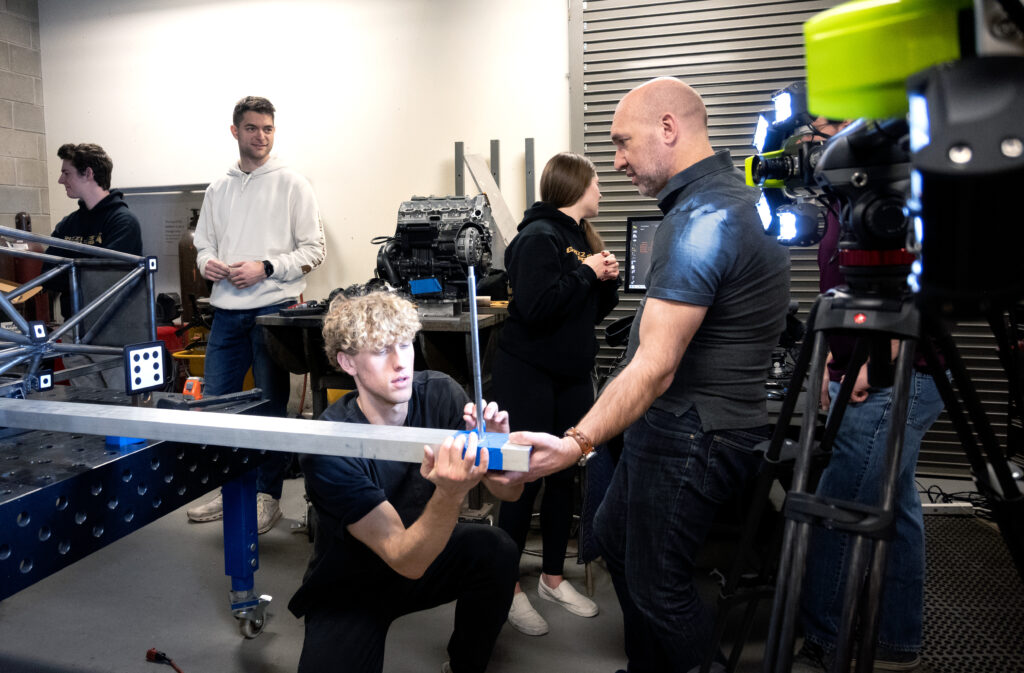
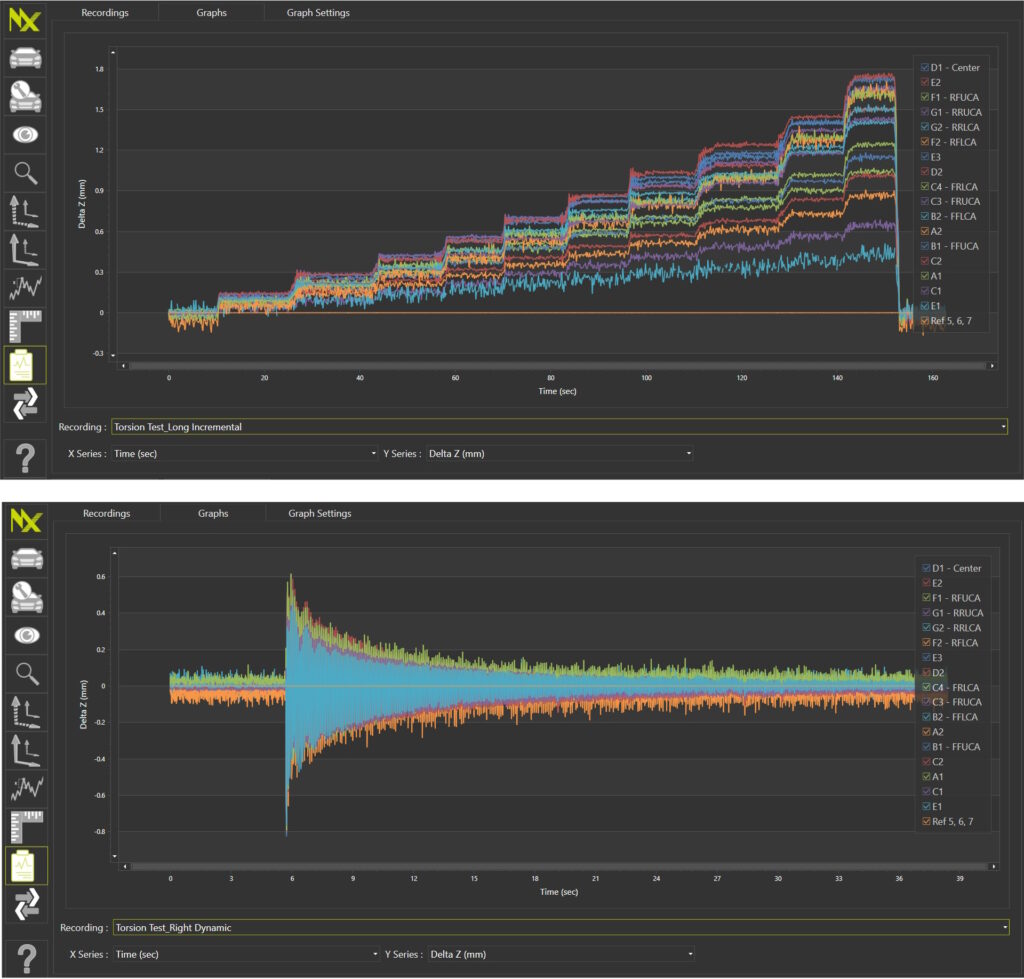
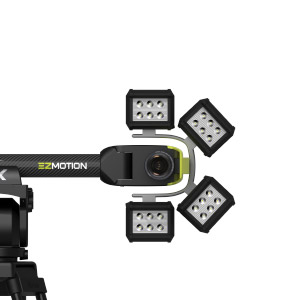
The team carefully considered the chassis mounting options and the essential constraints. Observing the mechanical rules for being representative of real load cases and of course confirm that all is in line with the simulation. The objective of this type of manipulation is to compare simulation and the actual values. Key nodes of the chassis were identified and equipped with an optical target. EZMotion tracks these targets and determine the 3D displacement of all the points. These points will now represent the spatial deformation of the structure under the tortional force. For the test, the front axle was the load input, the rear axle points were constrained. The magnitude of the load was calculated based on the suspension models. As EZMotion performs uninterrupted measurements, the obvious choice was made to apply the load in small increments to observe the behavior of the torsion response for multiple data points.
A cherry on the cake
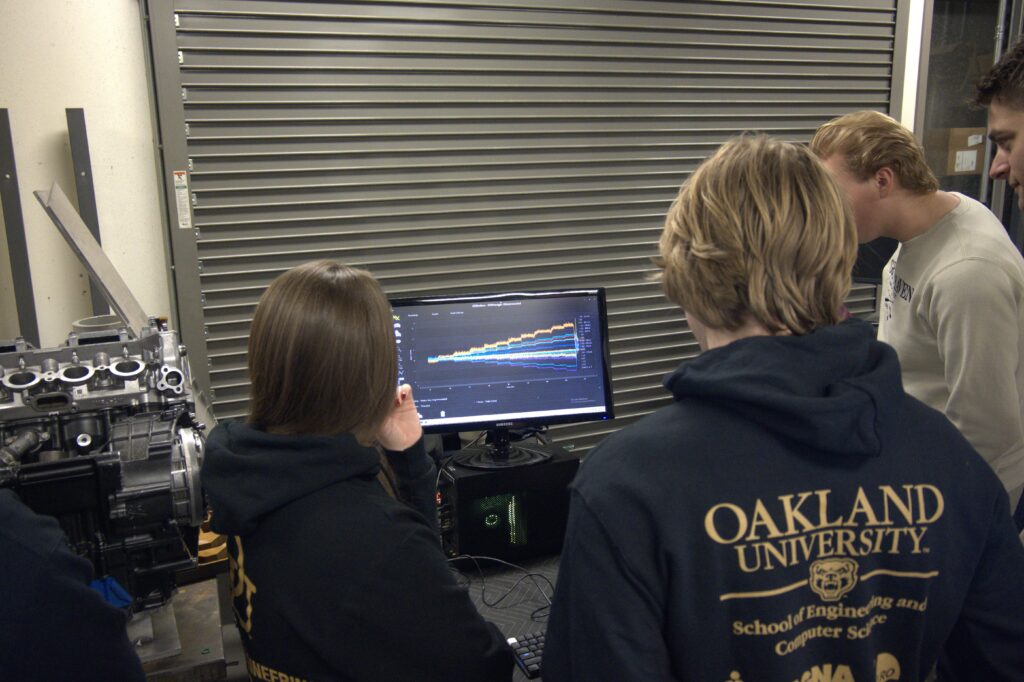
With a very accurate measurement of each node and a progressive load case, all the information is now available to go back to the computer and check the model. As the simulation group is now reworking this information, it will be a great validation for future simulations and opportunities to implement chassis updates. As cherry on the cake, the dynamic capabilities of the technology was demonstrated in the form of dynamic chassis response. In other words what are the natural frequencies of the chassis and amplitudes of the nodes based on an impact event. A whole new chapter for several young engineers in their simulation class. We wish all students a great number crunching time!