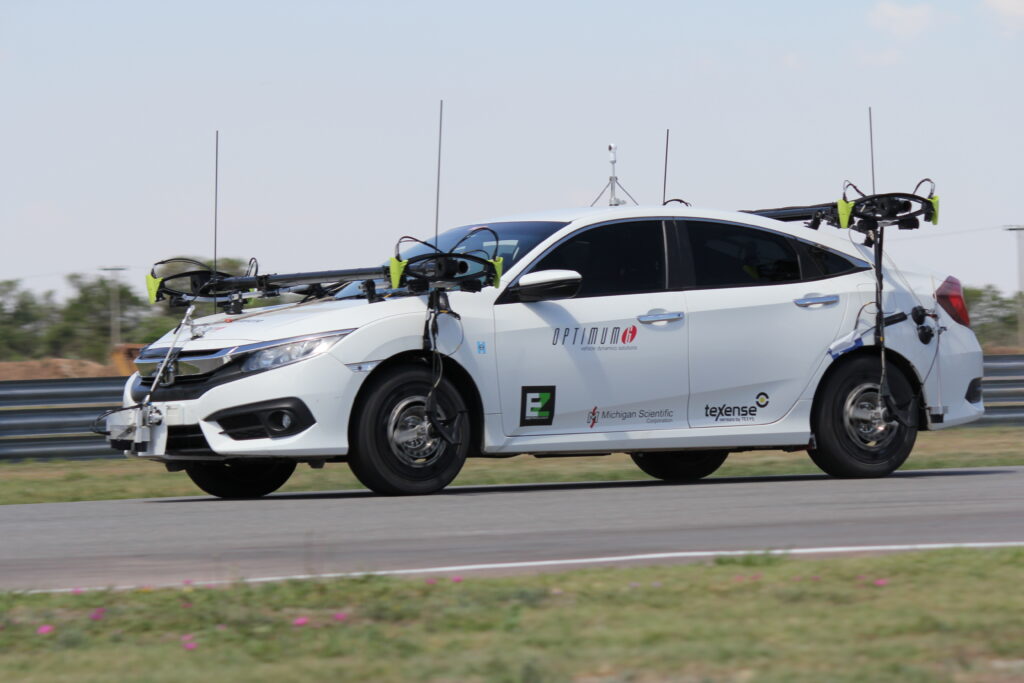
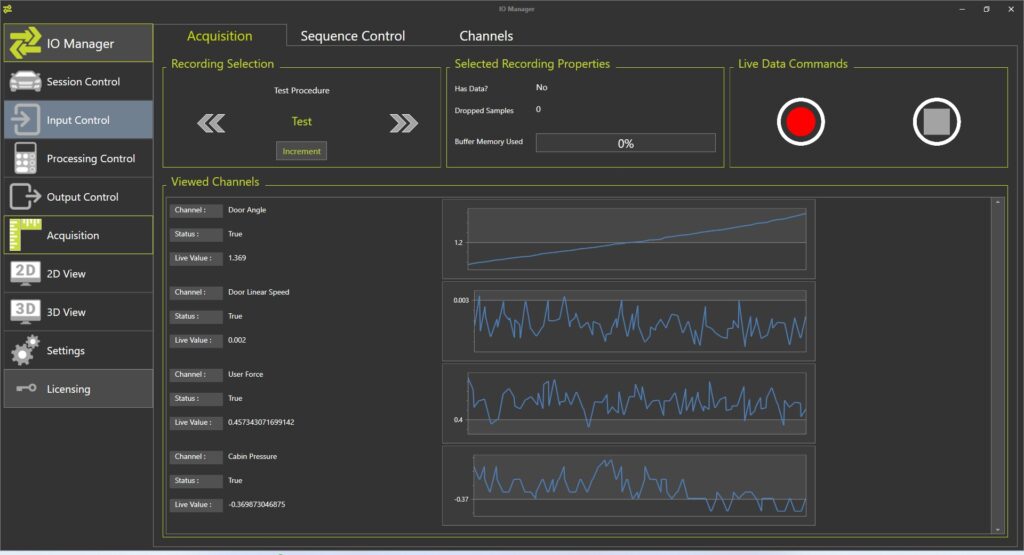
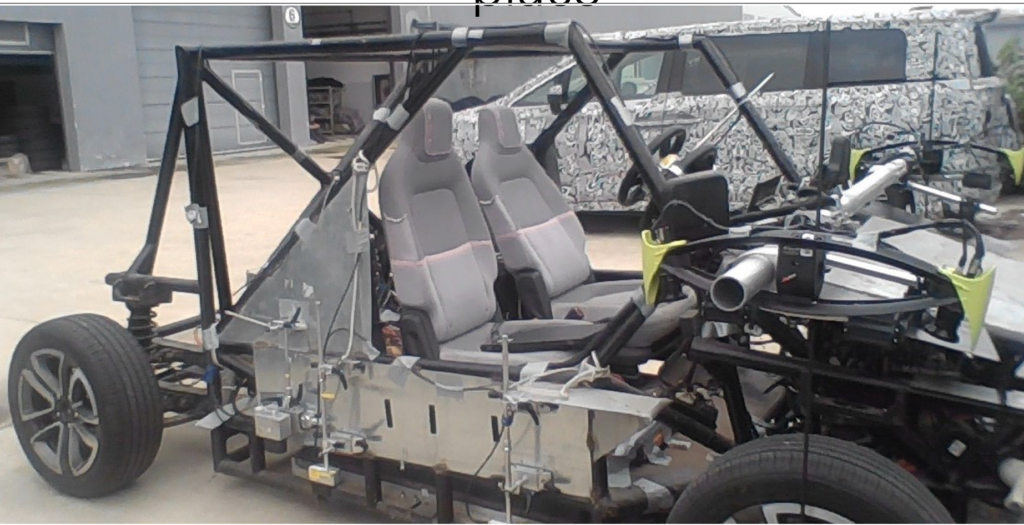
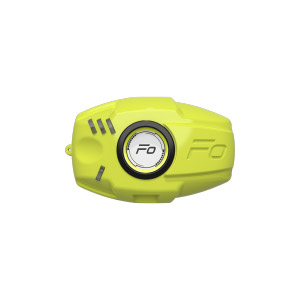
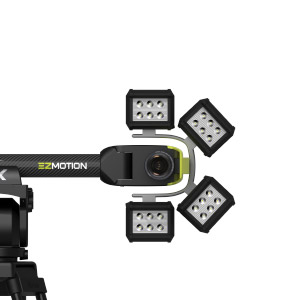
Real Data vs. Theoretical Models: Simulation software often relies on theoretical models or assumptions. These models can be simplified versions of real-world phenomena, and without real-world data, they may not account for all variables or real-time complexities. By integrating real data from devices like EZMotion, which tracks motion, sensors, or other variables, the software can calibrate and refine its predictions to more accurately reflect reality. Reduced Margin of Error: Real data provides concrete benchmarks for simulations, which helps reduce errors and discrepancies in predictive models. Without such data, simulations may either overestimate or underestimate performance in real-world applications. Dynamic Adjustment: With real data, the simulation software can be dynamically adjusted to reflect true conditions and specific behaviors. For instance, when working with a device like EZMotion, the motion, forces, or other parameters collected during testing can be fed into the simulation software to calibrate its predictions. This leads to more precise and realistic simulations, helping engineers or designers make better-informed decisions. Personalization: Every user or device might exhibit different behaviors. By integrating real data, simulations can be tailored to specific use cases or individuals, creating highly personalized and accurate predictions.
Enhancing Predictive Power
Filling Gaps in Data: In many cases, simulations rely on limited or generalized data. Real-time data can fill in gaps, especially in complex systems where there are variables or environmental factors that cannot be easily modeled. This helps improve the overall predictive accuracy. Real-World Validation: Real data helps validate and improve predictive algorithms. For example, if the simulation software is designed to predict human motion or interaction with the device, real data can be used to verify whether the predicted outcomes align with actual observed behavior. Unexpected Factors: Real-world environments often introduce variables that are difficult to predict or model accurately (e.g., unexpected terrain, human behavior, or environmental conditions). By feeding real data into simulations, these factors can be incorporated into predictive models, improving their ability to handle a broader range of situations. Adaptive Learning: When real data is continuously fed into simulation software, the system can learn and adapt, allowing it to better anticipate real-world variability over time. This leads to better performance and reliability of predictions in real-world scenarios.
Improved Testing and Iteration
User-Centric Insights: Real data enables simulation software to reflect the true experience of the end user. For example, if EZMotion is used to track human motion, the real-world data of an individual s movement can be integrated into the simulation to reflect how real users interact with the system. This leads to more accurate assessments of comfort, ergonomics, and performance. Informed Decision Making: By using real data, designers, engineers, or researchers can make more informed decisions about product development, safety testing, and optimizations, grounded in actual user data rather than abstract theoretical models. Validation and Feedback Loop: Real data from devices like EZMotion provides a feedback loop that enhances the iterative process of testing and improving products. As you collect more data, the simulations become more reliable, which in turn accelerates development, reduces costly mistakes, and ensures the product is better suited to its intended use. Optimization of Systems: With real data, simulation software can be used not only for testing performance but also for optimizing systems. By feeding real-world data into simulations, it becomes possible to identify potential improvements and fine-tune systems or devices for maximum efficiency and reliability. Incorporating real data into simulation software with devices like EZMotion bridges the gap between theoretical predictions and real-world performance. It allows for more accurate simulations, dynamic adjustments, and a better understanding of user experiences, ultimately improving the overall quality and reliability of predictions. Real-world validation transforms simulations from mere abstractions into powerful tools for practical decision-making, resulting in more reliable, efficient, and user-centered designs.