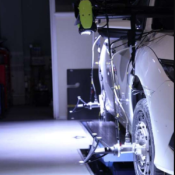
Classic side doors have been part of automotive design for decades, yet new challenges continue to emerge. At the heart of the challenge is the ongoing balance between the functions a door must perform when closed and the often-contradictory requirement for smooth, effortless operation. This balance is becoming increasingly demanding due to the use of lightweight materials, higher sealing requirements, and continuously rising customer expectations. At the same time, advances in measurement technology have created new opportunities to achieve greater accuracy, better performance, and a more consistent user experience. The result is a new interpretation of the classic side door: classic in concept, but higher in performance.
Automatic Doors
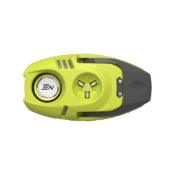
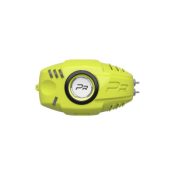
Automatic side doors represents a new dimension in door system development. While a basic button-operated door may appear relatively straightforward, the real challenge emerges when user input and feedback dynamically influence the door’s behavior. For example, the door may initially be pushed manually before the drive system takes over, or the user may hold the door back and expect the system to recognize the intervention and stop accordingly. These interactions are now managed by a combination of sensors, controllers, motors, and software logic. The challenge therefore shifts from purely mechanical design to the complex interaction between hardware and software. Mechanical variation further complicates the development of the control strategy, as the controller must deliver consistent behavior despite differences in component characteristics, tolerances, and vehicle conditions. This combination of mechanical systems, electronics, and software creates an entirely new development environment. The EZMetrology SensorPod, for measuring and analyzing analog signals, and the CanPod, for monitoring CAN messages and control logic, provide valuable tools for understanding and validating these interactions. The result is a new universe of door development—where understanding the physical behavior of the system is only one part of the challenge; understanding how the software responds to that behavior is equally critical.
Sliding Doors
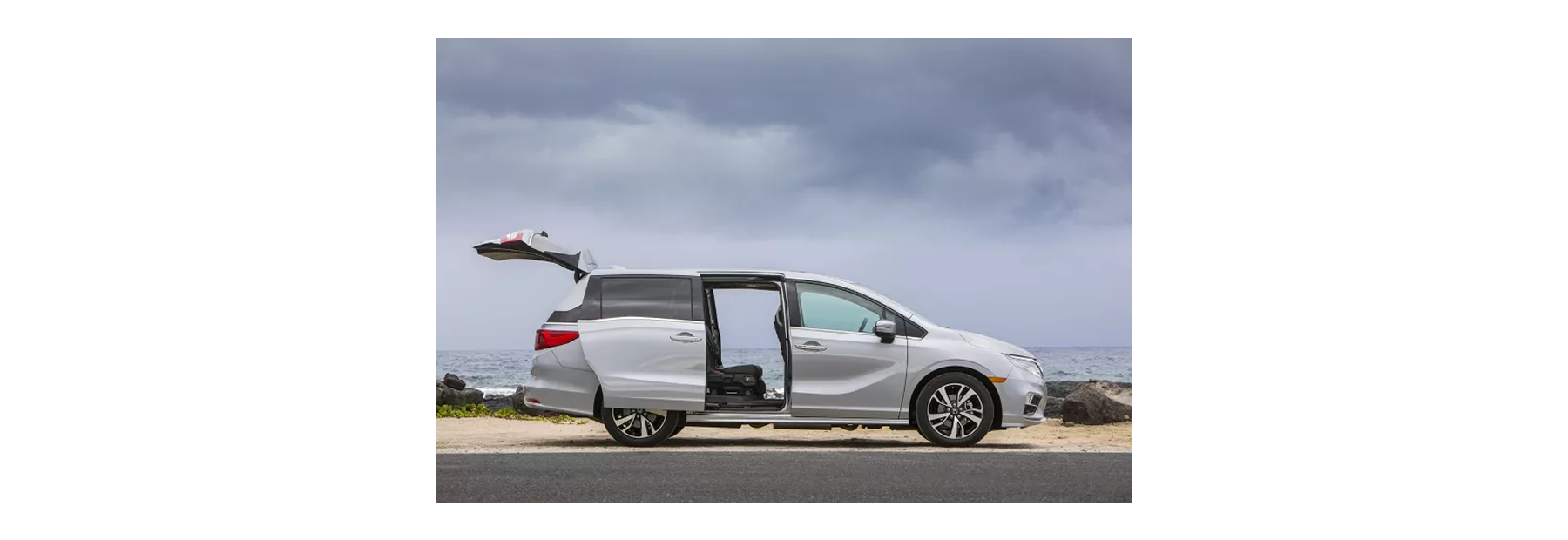
Despite their increasing system complexity, sliding door concepts remain popular in commercial vehicles and family cars because of the practical advantages they provide. In commercial applications, the priorities may shift toward durability, reliability, and operating forces. This is particularly important for delivery vehicles, where frequent and intensive use can place significantly greater demands on the door system and its components. For these applications, EZMetrology technology provides the tools to objectively document door performance, analyze system behavior, and identify opportunities for improvement. By measuring key performance characteristics throughout development and vehicle use, engineers can better understand how the door system responds to repeated operation and use this information to optimize both performance and durability.
Any Hinge
There is also a category of more exotic door architectures, including gullwing, swan, and falcon doors. These concepts introduce additional mechanical and functional complexities, but the same fundamental measurement technologies and engineering principles still apply. The central challenge remains the management and balance of energy within the door system. Depending on the architecture, gravity can become a significant contributor to door movement and operating behavior. The door must therefore be carefully designed and tuned to achieve the right balance between its own weight, mechanical assistance, and user input. At the same time, these doors must meet the same fundamental requirements as conventional doors: precise fit, controlled movement, adequate sealing, reliable operation, and consistent user experience. By objectively measuring these characteristics, EZMetrology technology can help engineers understand the unique behavior of each door architecture and optimize its performance accordingly.
Frunk
With the growing popularity of electric vehicles, the frunk—the front trunk—has become an increasingly common feature. However, this door system introduces its own particular set of challenges. The combination of low weight and low inertia, together with a relatively large surface area and limited internal volume, can make the resistance created by trapped air a significant factor in the opening and closing behavior. The resulting pneumatic effect can strongly influence the user’s perception of the system and the energy required to operate it. These challenges are further amplified by the limited possibilities for adjustment within the system. As a result, achieving the desired operating characteristics requires careful consideration of geometry, sealing, air management, and the available mechanical adjustment range. Objective measurement provides an important tool for understanding these effects and determining how each contributing factor influences the overall performance of the frunk system.