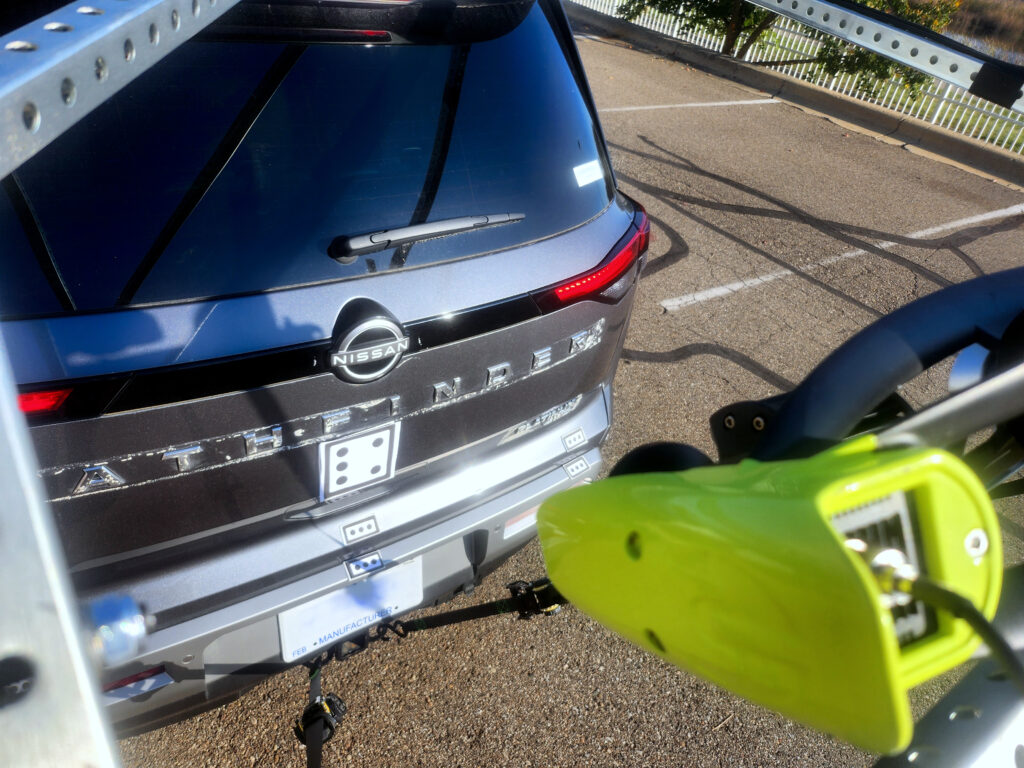
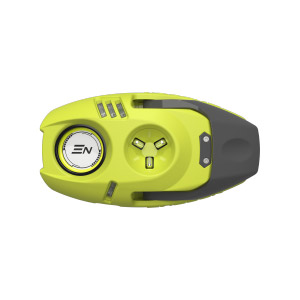
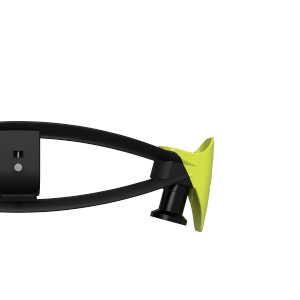
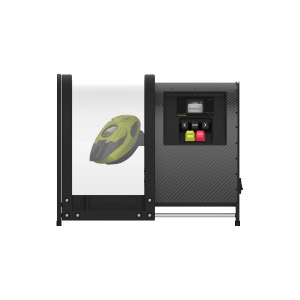
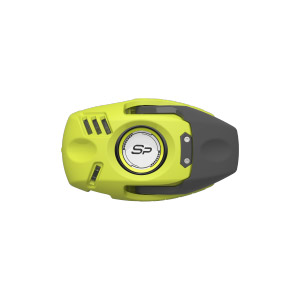
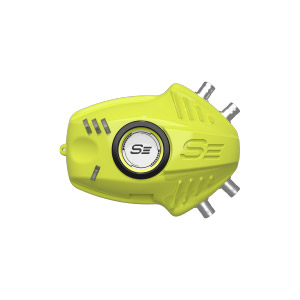
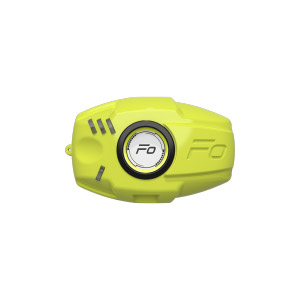
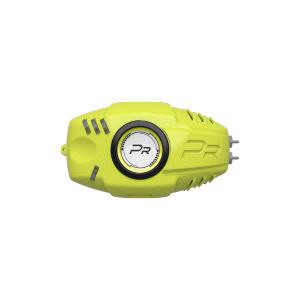
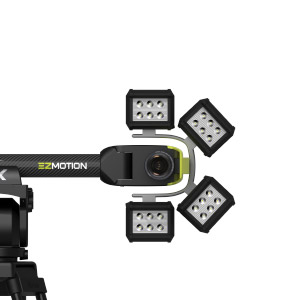
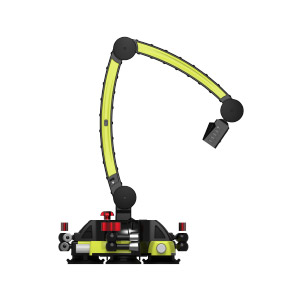
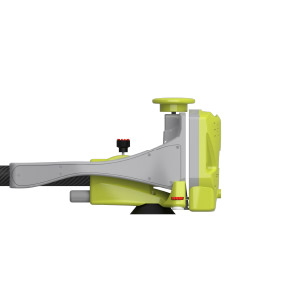
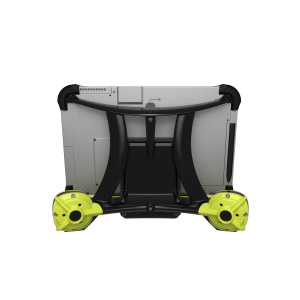
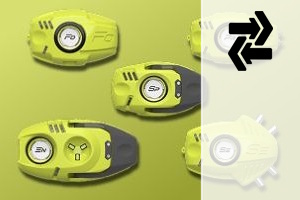
In 2024, EZMetrology coordinated a demo with NTCNA (Nissan) in Farmington Hills, MI, to test road applications of the EZMotion imaging system. According to the NTCNA team, panel flexing and deformation had been observed in lab conditions on the liftgate and roof panel of new Nissan Pathfinder models EZMotion presented the opportunity to precisely observe these phenomena at speed, in real road conditions. With the help of a quick support structure tethered to the Pathfinder s roof rack, an EZMotion Wheel unit was able to capture the full rear of the vehicle, tracking a matrix of cloud points at key positions (latch point, rear window, panel center, etc.) with tenth-of-a-millimeter precision. Best of all, the entirely-mobile setup seamlessly handled rough road conditions at 50 mph, allowing for immediate data acquisition on the fly.
Experimental Design with IOManager
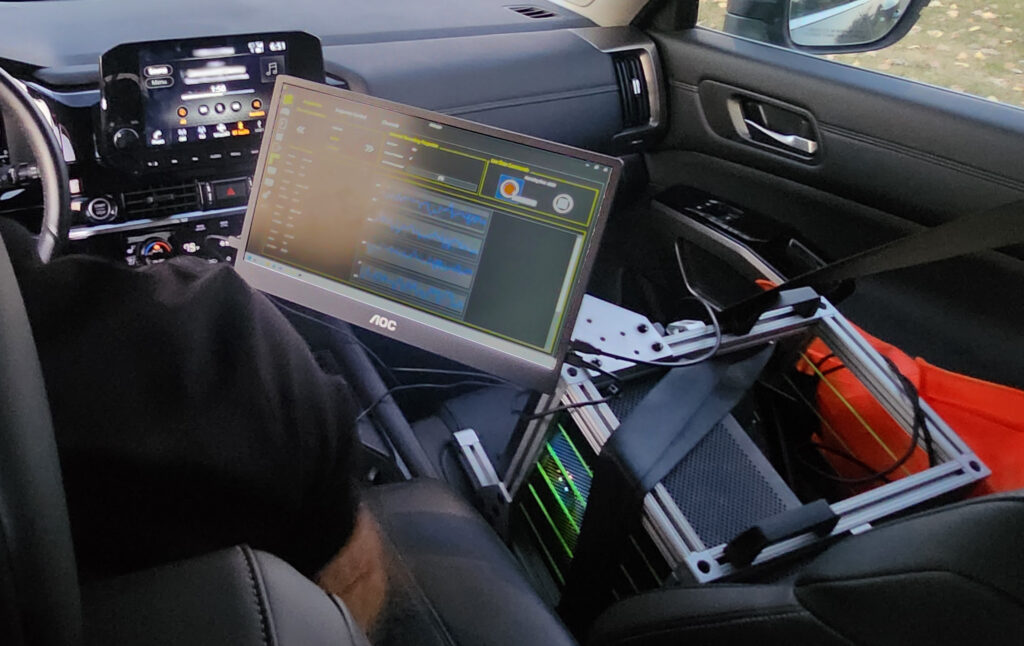
With nearly two dozen points with X, Y, and Z position data recording at 300 Hz, the need to intelligently manage and analyze data quickly arose. To this end, EZMotion s data stream was routed directly into IOManager software, all handled from a control center computer in the Pathfinder s passenger seat. With IOManager s wide array of Processing Modules, it was possible to create sophisticated reference point calculations (on top of those already done by EZMotion), calculate vector distances of points of interest, and track total distances and displacements. IOManager s 3D View functionality offered an easy and highly customizable visualization, re-creating the liftgate s point array and making problem points on the panels a cinch to identify.
Tailoring to Acoustic Investigation
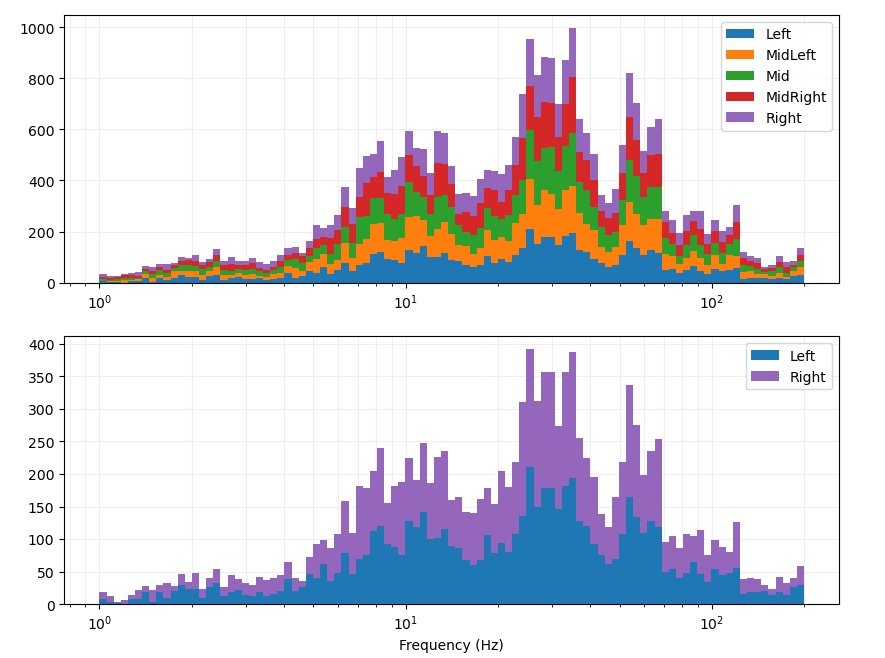
Of particular interest to the NTCNA team was 30Hz booming caused by liftgate flexion, which they had observed in lab conditions. EZMotion s rapid acquisition frequency makes it possible to observe and quantify low-frequency modes caused by slight vibrations. To ensure adequate sample rate, the EZMotion setup was specially configured to focus on only a few key points at a high frequency and align measurement axes along the in-out direction of the vibration. FFT analysis of a range of test drive samples uncovered the primary 30Hz mode as well as other, higher structure-borne modes thanks to referencing measured points with respect to additional points on the vehicle s body, EZMotion was able to largely factor out suspension modes in the 10-15Hz range.