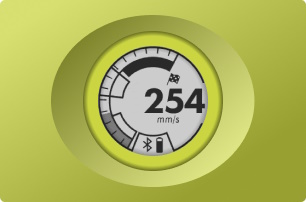
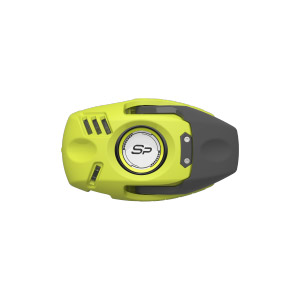
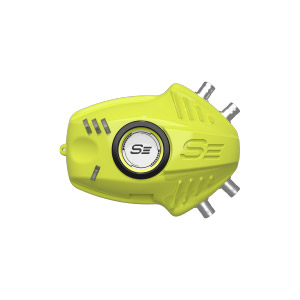
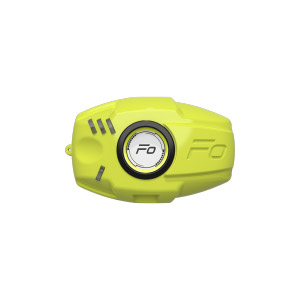
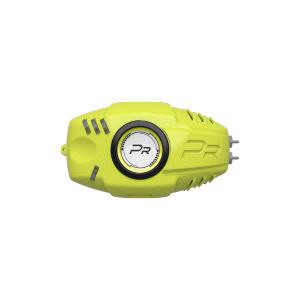
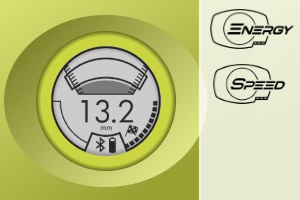
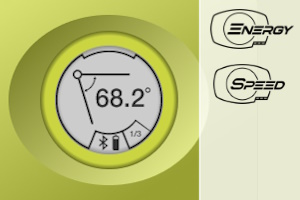
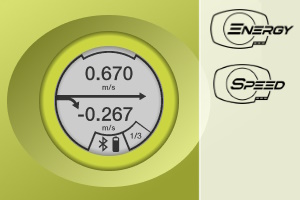
Spring speed is the maximum speed of the door during the unlatching event. This actual speed is a combination of latch action, seal compression and striker alignment. As it will also be a function of the weight of the door, this parameter is most significant when compared between identical models. A deviation from normal will be a good indication of an assembly issue.
How to Measure?
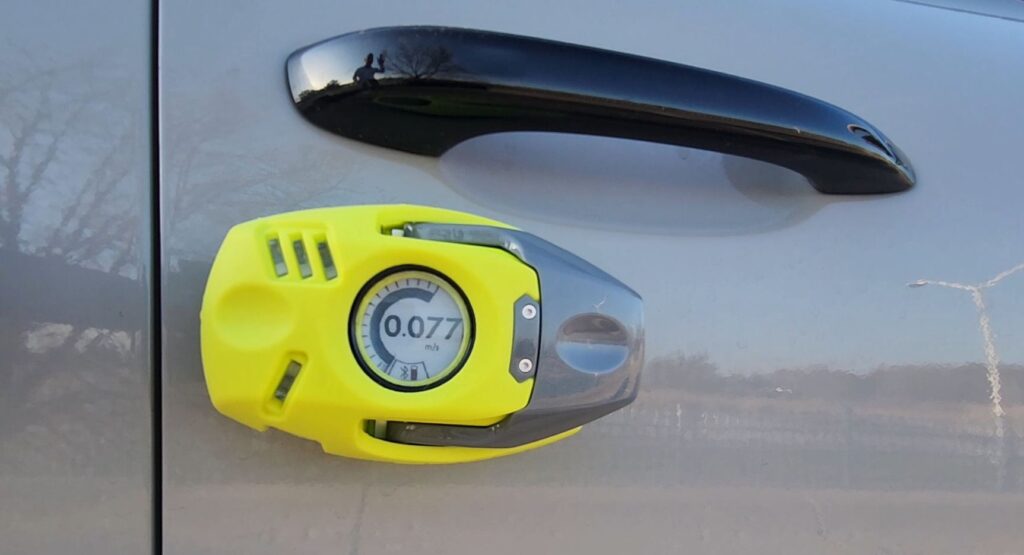
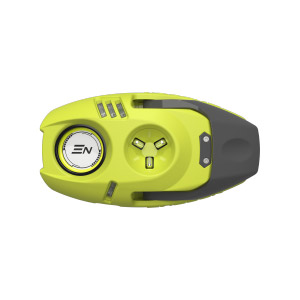
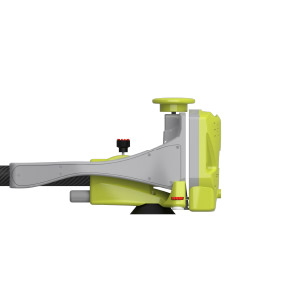
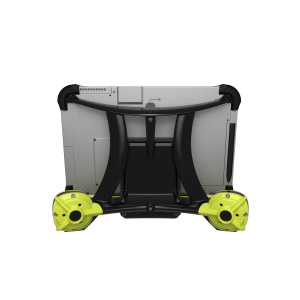
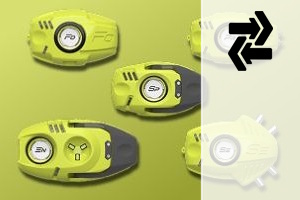
The SpeedPod or EnergyPod is placed on the door in the closed position and the handle is pulled. To eliminate the influence of the operator, it can be performed from the inside or with a small tool to activate the outside door handle. The system will detect sudden movement and report the maximum speed. The simplicity of this test can substitute a much harder static closing effort test. The static closing test or push test might require the operator to push upwards from 300N. This would be a burden on the operator if this were part of a standard operation.
Technology
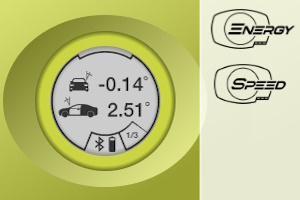
When the prompt acceleration happens, there are two major vectors at play. The horizontal jump, a rotation around Z axis, represents the latch action and seal compression. The door jumps outwards. The magnitude is often closely correlated to static seal compression energy. The second vector represent a vertical displacement, this is most likely caused by a latch misalignment. In this case, the door jumps up or down into its natural position. The speed it reaches will be a function of the amount of misalignment. While it might be challenging to dissect and have the perfect correlation, it is a great and simple way to evaluate the system.